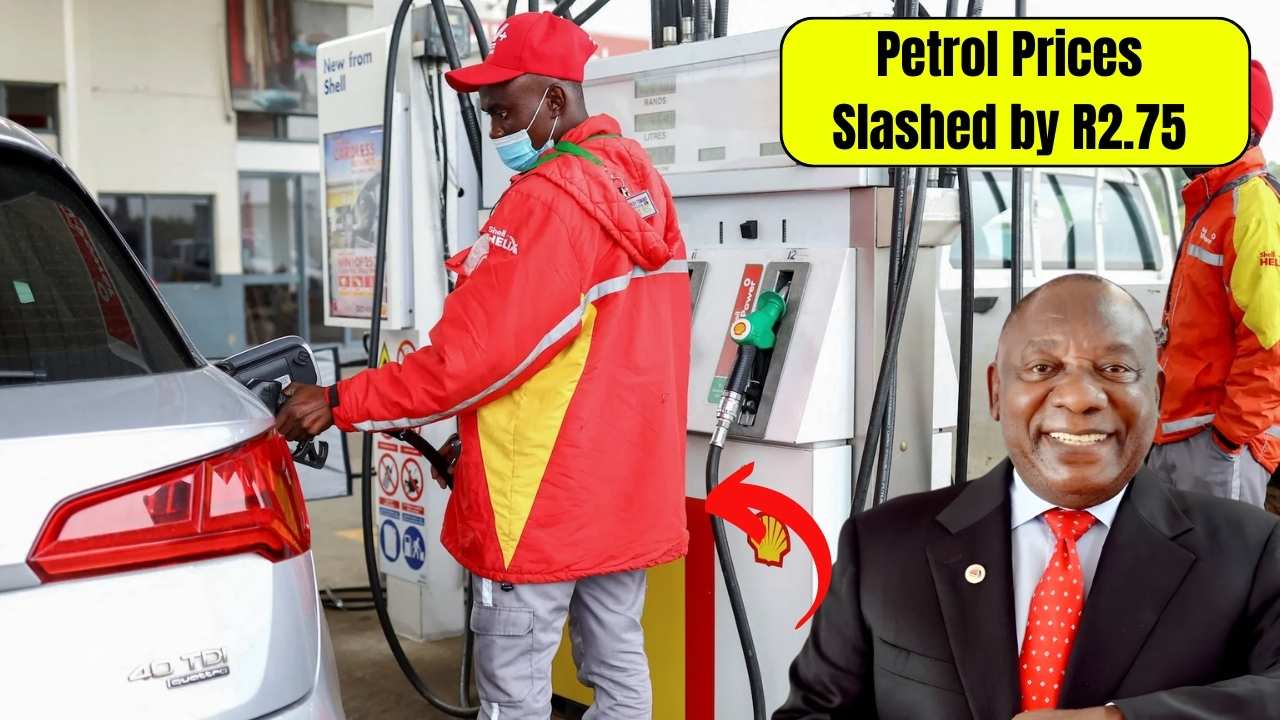
January Fuel Price Update: South Africa is set to welcome a major reduction in fuel prices starting on 15 January 2026, offering timely relief to motorists across the country. Petrol prices will fall by R2.75 per litre, ending a prolonged period of high fuel costs that affected households and businesses alike. The decision follows careful economic review, supported by calmer global oil markets, a firmer rand, and government intervention aimed at easing pressure on consumers. The adjustment applies nationwide and includes both petrol and diesel.
January 2026 Fuel Price Reduction Overview
| Fuel Type | Previous Price (R/L) | New Price (R/L) | Price Decrease |
|---|---|---|---|
| Petrol 93 | R25.40 | R22.65 | R2.75 |
| Petrol 95 | R25.95 | R23.20 | R2.75 |
| Diesel 0.05% | R24.85 | R22.10 | R2.75 |
| Diesel 0.005% | R25.10 | R22.35 | R2.75 |
| Illuminating Paraffin | R16.40 | R13.65 | R2.75 |
From mid-January, drivers will immediately notice lower prices at filling stations. This reduction is one of the largest single fuel price cuts in recent years and is expected to influence daily travel costs, household budgets, and operating expenses for businesses that rely heavily on transport.
Immediate Fuel Cost Relief for Motorists
Motorists across South Africa will benefit directly from the reduced petrol and diesel prices. Everyday commuting will become more affordable, helping private vehicle owners manage monthly expenses more effectively. For many families, the savings can be redirected toward food, education, or healthcare, easing overall financial strain as the year begins.
Transport and logistics operators are also positioned to gain from this adjustment. Lower fuel input costs may help companies stabilize fares and delivery charges while improving operational efficiency.

Understanding the January Fuel Price Update
The January fuel price update reflects a coordinated response to both international and domestic economic trends. Officials assessed currency performance, oil supply levels, and consumer impact before finalizing the decision. The result is a temporary but meaningful reduction designed to support economic stability during a challenging cost-of-living period.
Key Factors Behind the Petrol Price Cut
Several elements contributed to the R2.75 per litre decrease. Global crude oil prices softened as supply improved and demand growth slowed. At the same time, the South African rand strengthened against major currencies, lowering the cost of imported fuel. Government action, including short-term adjustments to fuel levies, further supported the downward movement in pump prices.
Impact of Cheaper Fuel on Household Finances
Lower fuel prices are expected to ease pressure on household budgets, particularly for families that rely on long-distance travel for work or education. Rural communities may feel the benefit more strongly, as fuel is often a significant monthly expense. Reduced transport costs can also help households better manage essential spending.
Benefits for Commuters and Public Transport Users
Public transport users may also experience indirect relief. With reduced fuel costs, taxi and bus operators may be able to delay fare increases, helping commuters maintain affordable travel options. This could improve access to employment and essential services for lower-income workers.

Influence on Goods and Service Prices
Fuel plays a critical role in the movement of goods across the country. Lower fuel prices can reduce transportation and distribution costs, potentially stabilizing prices of food, consumer goods, and services. Sectors such as agriculture, retail, and manufacturing may benefit from reduced operating expenses.
Support for Small Businesses and Rural Communities
Small businesses that depend on transport, deliveries, or fuel-powered equipment are likely to see improved cost control. Rural households using fuel for generators or heating may also notice meaningful savings. This reduction provides short-term breathing room for communities with limited alternatives to fuel use.
What This Fuel Price Cut Signals for the Future
While fuel prices remain sensitive to global markets and currency movements, this reduction suggests a pause in the upward trend seen in recent months. Although further changes cannot be guaranteed, the January 2026 adjustment offers immediate certainty and allows consumers and businesses to plan expenses with greater confidence.
Final Verdict
The January 2026 fuel price cut of R2.75 per litre represents a significant and timely intervention for South African motorists. It delivers direct savings at the pump, supports transport-dependent sectors, and may help ease inflationary pressure across the economy. While the relief may be temporary, it provides a positive start to the year for households and businesses alike.

Disclaimer
Fuel prices are influenced by international oil markets, exchange rate fluctuations, and government policy decisions. The information in this article is based on official announcements available at the time of writing. Prices and regulations may change, and consumers are advised to consult official government sources or local fuel stations for the latest updates.
